In this new series about preparing students for an unknown future, Amanda Werner delves into the essential skill of self-knowledge. The episode explores how self-knowledge can help students navigate an uncertain future influenced by AI advancements. Through personal anecdotes and reflections, Amanda explains how biases and labels from adults can shape a student’s identity and why it’s crucial for students to have the final say in who they are. The episode offers practical steps and guiding questions for educators to help students develop self-awareness, urging them to reflect on their interests and emotions, and to experiment with various activities. The episode concludes with a challenge for educators to set aside their preconceived labels and rediscover their students’ true selves.
Timestamps:
00:00 Introduction to the Series
01:16 The Importance of Self-Knowledge
06:05 Personal Journey and Reflections
13:53 Guiding Students to Self-Discovery
19:48 Conclusion and Next Episode Preview
Transcript
Amanda: [00:00:00] Welcome to the first episode of a new series where I will be exploring with you the skills our students need for the future. Not because these skills are going to help them get into college or land a specific job, but because. These skills are universal, like they are gonna help these kids no matter what comes their way.
And no matter what the future has in store, because right now the future is very confusing and unknown with the advent of ai. Right? So what I really wanna do in this next series is discuss like what are just the essential. Skills that kids need no matter what the future is. And so let’s get started.
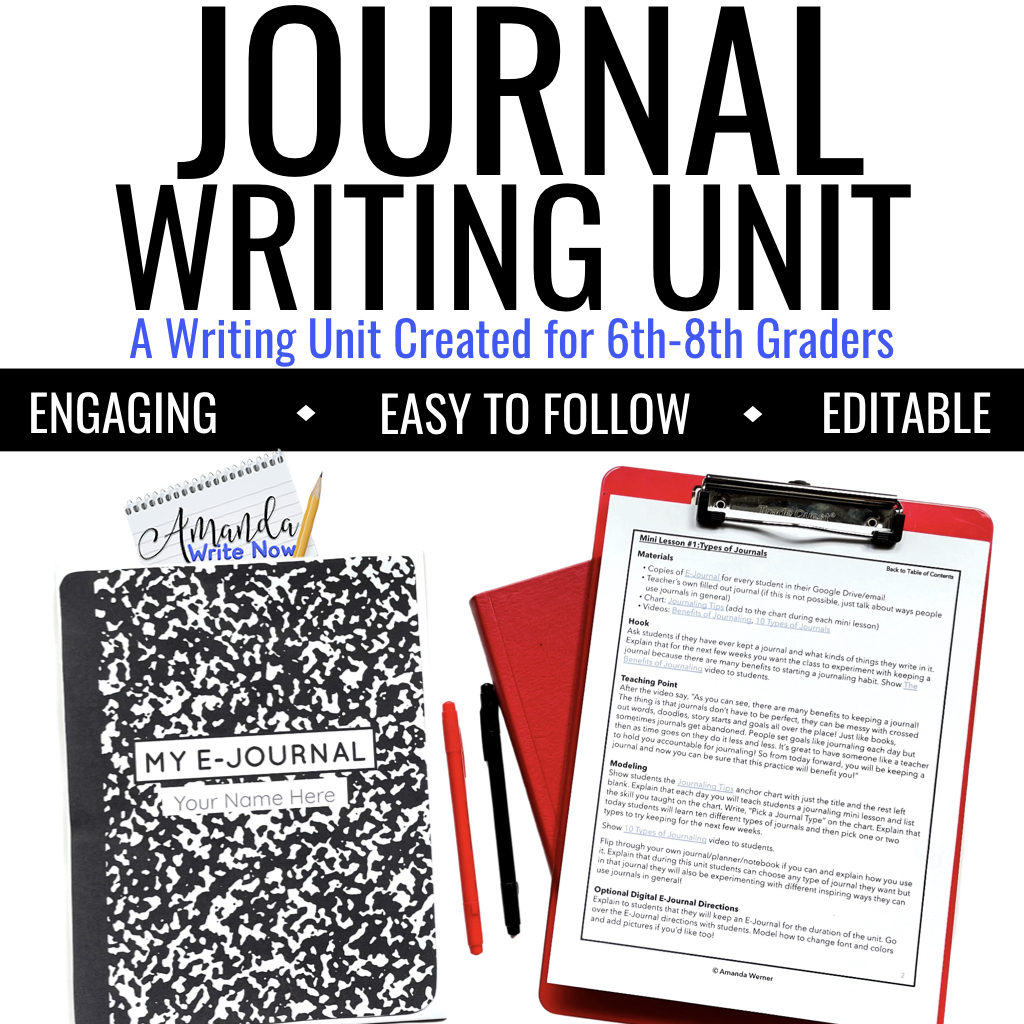
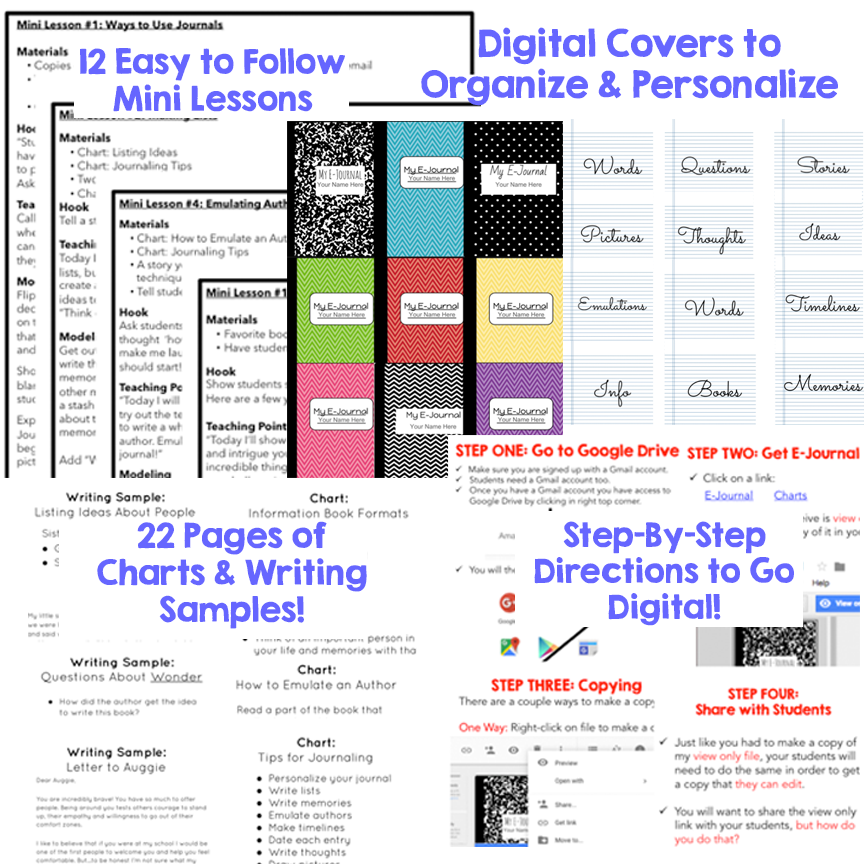
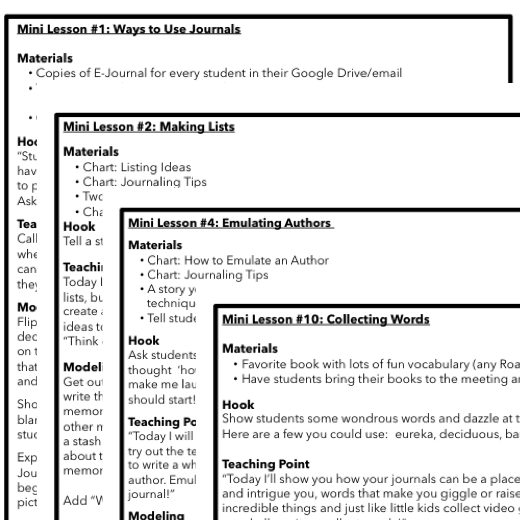
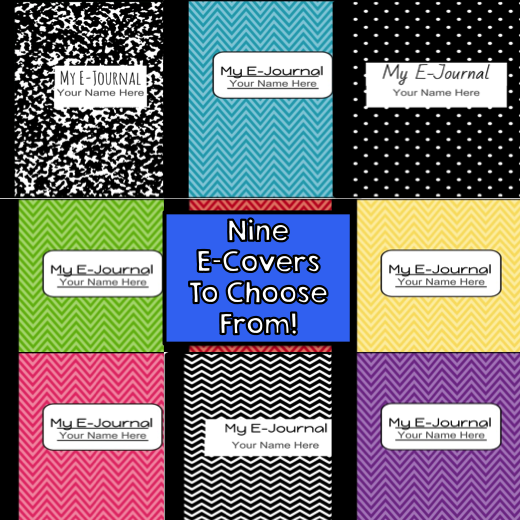
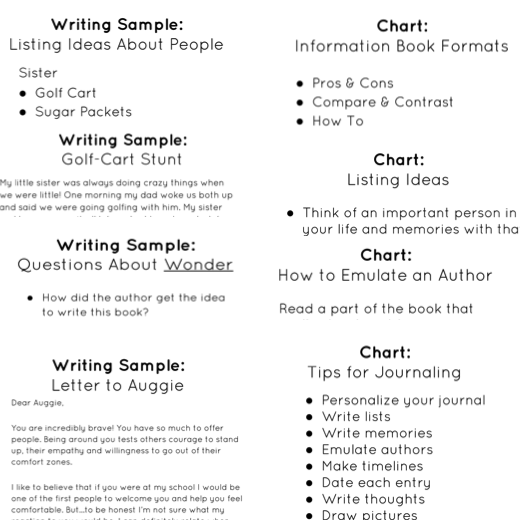
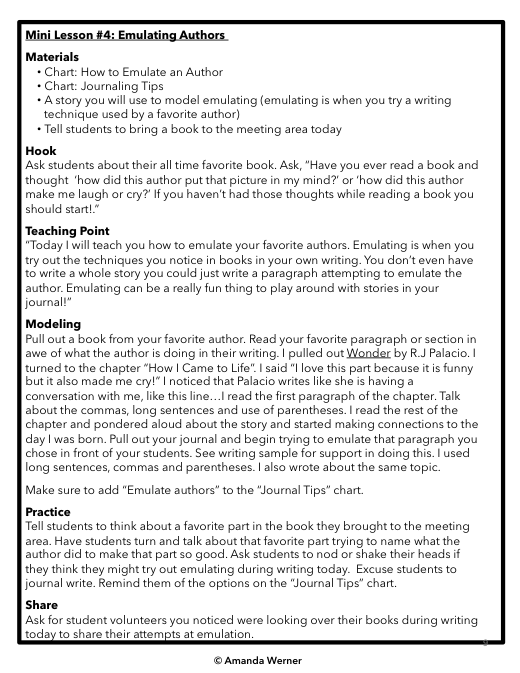
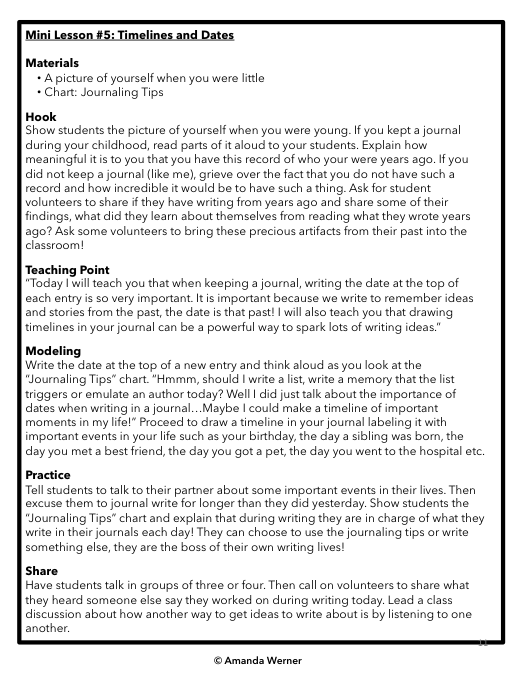
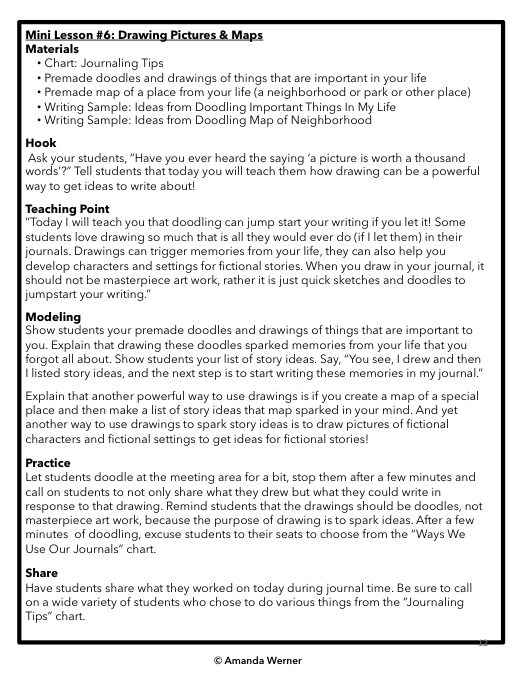
This editable E-Journal and Journal Writing Unit made with Google Slides is exactly what you need to get your students journaling everyday for the rest of the school year in their Google Drive! Take a look at the detailed description of this resource by scrolling below…
$15.00
This first episode is about a really important skill that is very undervalued, and that skill is self knowledge. Here’s a question to just ponder and contemplate. Think back to when you were a kid who decided who you were. How did you figure out what your interests were? How did you figure out what you wanted to study in college or trade school?
If, if you’re someone who went to trade school or, or, or took an alternative route, like how did you decide your major? How did you decide what your strengths and weaknesses were? [00:02:00] Well, I think that a lot of this. Is decided by the adults in our lives. Maybe you can relate because students, kids, when they’re observed by adults, they’re labeled, maybe not out loud, but internally within our own minds, and I do this too, right?
We all have sort of labels and biases that impact us, so we might see. Certain students in our classroom as responsible or creative, or the one who struggles with reading or the one that seems distracted all the time, or the one that’s a natural leader or the one that’s too talkative or the one that’s shy and needs to speak up more.
These are perceptions that. Parents and teachers have of students and friends of these students also have their own perceptions of [00:03:00] them and their siblings, right? And maybe even their social media following, like the people who follow them on social media and or, or the people that the kids follow on social media.
You know, like everyone, there’s messages from everywhere telling our kids who they should be and. What they’re not good at and what they’re good at. But here’s what I really want for kids and for students. I want them to feel empowered. Obviously, this podcast is called Empower Students. Now to have the final say in all of this, students should have the final say in who they are, what their strengths are, what their weaknesses are.
So what is self-knowledge exactly, and how can we help students hone this skill? Well, self-knowledge is the ability for students to see themselves clearly, to identify their [00:04:00] actual strengths and weaknesses, independent of what we or anyone else believes, says, or thinks. It’s about helping. Them develop their own inner compass, one that helps them make decisions that align with who they truly are and what they want, not what others expect them.
To be. Now, this isn’t about teaching kids to be arrogant or full of themselves. It’s, you know, it’s, or focusing only on like, what do they need to get better at? It’s, it’s about self-observation. It’s about self-compassion, it’s about honesty. It’s about. Just really inquiring within and turning within. Um, and I really don’t think that kids get enough of that.
Our schools were designed for them to be compliant and to prioritize grades, but pretty soon I think that the disillusion has already begun and it’s [00:05:00] just gonna get worse. Right. Like, what is the purpose of school? If AI can, can do everything right and can be a tutor to kids, and you can just Google anything you want.
I think a lot of kids are wondering this and parents and teachers, what is the point of school? Um, and so this is why I just really think that it’s important for kids to develop self-knowledge, to become curious about themselves to. Learn about their own behavioral patterns and learn about like, well, what surprises them about their own reactions?
Uh, what, what do they tend to pay attention to? Right? And so when you’re teaching kids about self knowledge, and I really think that you can teach this in any class you just talking about. You know, your own story about how you chose your career path and how many times that may have changed throughout your [00:06:00] life.
So I think starting with that, uh, is a great place. So let me tell you a little bit about how I chose my career path, and it’s an interesting story because I do think that. I, I think back to my school aged years, my middle school and high school years in particular. And I remember, and I’m the oldest of three.
I have two siblings, a younger sister and a younger brother, and my sister was actually on the podcast talking about her learning disability that she was diagnosed with. In third grade and that really impacted my sister’s entire school career ’cause she was in special ed that whole time. I really recommend, um, listening to that episode, it’s, it’s a really eye-opening one, just about how Ill-equipped schools are still are, uh, to support kids [00:07:00] in sped.
I mean, I’m sure there’s many programs doing amazing things for kids out there. And I know my sister had some really, like, loved, she loved her special ed teacher. Um, and I, you know, I’m not saying that these teachers aren’t doing a good job. I’m sure they are. It’s just the system they’re working within.
Really ostracizes, sped, you know, and, and it makes, it makes these kids feel like they’re outsiders, right? So anyways, so my sister was diagnosed with a disability and really had a hard time getting good grades, but that was never hard for me. Um, getting good grades was fairly easy and straightforward for me.
And so. A lot of adults, and I’m sure my sister felt this, you know, they compared us like, oh, you’re Amanda’s sister, you know, to Shelly and, and expecting more from my sister than my sister was able to actually live up to, which was so hard [00:08:00] for her. And she now knows she has dyslexia. She, she wasn’t diagnosed with that.
As a kid. That is a hard challenge to have, and so. Just judging kids based on their intelligence and their potential. And so I was praised a lot for my schoolwork and I was, my parents were really proud of especially my English grades. So I was told by adults around me that you’re so good at writing, Amanda.
And so when I. I entered my, you know, junior year of high school. I started looking into colleges and. Thinking about, you know, well, what do I wanna do? What would I major in? And so, because people told me, adults, teachers, and parents told me I was so good at writing, it seemed obvious that I would go into journalism.
And I was in yearbook and I was in the college prep class, English [00:09:00] classes, and I did really enjoy English much more than math. I know that for myself, math was a lot harder for me. And so I, I went, I got into Washington State University and, and I went, uh, and declared my major in communications. And so why?
You know, why did I do that? Because adults told me that I was good at it and it came easy to me, right? But was I really practicing self-knowledge? Not really, but once I attended college. It became very obvious which classes were the most enjoyable to me, and they weren’t the communication classes. Uh, I really hated the communication classes actually.
And so I started reconsidering what do I, what do I major in? I don’t actually. Writing that much. And [00:10:00] so isn’t that interesting? And so it was a very confusing time because I felt lost and if someone had taught me earlier on how to see myself. Independent of what other people thought and taught me some of the these skills that I’m about to talk about, I think that I would’ve been clear on my path, but eventually, I, I, my favorite classes were anthropology.
I loved my history classes. I loved. Psychology, and I still do. I love these topics so much. History, anthropology, and psychology. And I’m still very passionate about all three of those subjects. But how the heck did I end up teaching English and, well, I taught elementary school for a long time too, and then ended up being an English teacher in, uh, middle and high school.
But the way the, the reason is because of this anthropology class that I took my freshman year [00:11:00] of college. This professor taught in a way that was riveting. I just was so interested, and he made this subject area. Intriguing to me and the way that he taught and the, the way that he connected with us, it was very inspiring.
And so in my mind, I was just like, I wanna do what this guy does. I wanna inspire students and I wanna teach anthropology. That’s what went through my mind, right? And so I started looking into how can I become an anthropology professor, which is really funny and I looked into it and I. Realized I would have to go to school and get my PhD.
And that seemed so intimidating. And so then I just thought, okay, well what’s the next best thing? Maybe I should just be a teacher. That’s what I want to do. And I have always been very talkative in, in sort of a bad way, right? [00:12:00] Like I think my parents, my teachers, they didn’t like how talkative I was and.
You know, it, it was distracting and it went on and on and, you know, I would get really passionate about things and I wouldn’t, people would say to me, Amanda, you don’t know when to shut up. And I think that makes for, uh, you know, a, it’s a strength as a podcaster, right. But as I was growing up, podcasts weren’t really a thing, but like.
I didn’t really realize that talking so much could be a strength. It was always a negative thing growing up, but it makes sense, you know, that I would wanna be a teacher because well, teachers get to talk a lot, even though they maybe should listen more than they talk sometimes. And so this was like my journey of self discovery and I think there’s a lot of traits that kids have that parents and adults don’t.[00:13:00]
Prioritize or don’t like, right? Like back talk, for example. Like when a kid talks back or they argue, you know, like usually that’s seen as a negative thing, a negative quality that a kid has, but. Really it is it, it can be seen as positive. Like a lot of these kids could be really good, like lawyers or, or teachers or, you know, social justice activists, right?
Like people who stand up and say things and have. Enjoy arguing. You know, there’s lots of different paths you can take. And so even looking at some of the traits that kids have that might be negative and turning those around is, is a really powerful thing to help empower kids to see these weaknesses that adults usually label as actual actually strengths.
Okay, so how do we help students develop self knowledge? I think first I, I have some [00:14:00] guiding questions you can ask them, but first, I think that it’s really important to help teach, uh, kids pay attention to their emotional reactions. So help students understand their feelings as data. When are they excited?
When are they angry or bored or inspired in class? Uh, we can create moments for them to ask like, why do I feel this? And even journaling is a really great way to, to, to, to, uh, to study the self, uh, journaling is a wonderful way to do that. And I actually have a journaling unit. Uh, I can link it in the show notes that can maybe help students start to journal more or even just.
Modeling, journaling, you know, the first, like as your bell ringer can be really a great idea. But just reflecting on like your feelings when you’re in school, your feelings when you’re at home, like what do you do when you have free time? And then, so just telling PA teacher, or [00:15:00] sorry, students to pay attention to their emotions, um, because those are.
Those are gonna direct them to learn more about their preferences and interests, right? And, and themselves. And then second is to, uh, explain to students that they’re young, you know, so they have the opportunity to experiment, uh, with different roles with different, um. Like types of work, um, with, you know, trying something new and seeing how it feels trying on different identities.
I think that this is, this should be promoted in, in kids and fostered for them, not in a, in a way that’s like, you need to prove yourself or you need to be good at this thing. Um, but more as a way of like. I just wanna experiment, [00:16:00] like how do I feel doing this thing? Like try chess, try playing softball, try.
You know what I mean? Like just trying different things. And also adults being willing to let kids quit those things after trying it for a season or whatever for a certain designated amount of time. And just trying to see what resonates with kids like. Discovering, you know, what they hate and what they love and where they fall in between.
All of this is really valuable information for kids. And then third, just building time for kids to reflect on their experiments, their, their experiments with figuring out, you know, who, who am I? What do I think about these things? What am I interested in? Right? So like journaling. You could have class discussions, just quiet thinking time.
Self knowledge and learning about yourself. It requires slowing down. [00:17:00] It requires turning off your phone. It requires turning off your iPad, right? It requires going off by yourself with, you know, a pen and. Some paper or going off into the woods, right? And just being able to have a quiet place to think like, how do I feel?
’cause sometimes it’s hard to identify how you feel when you’re bombarded by all the work you have in school and all the social media things and all the clubs, right? Kids need space. They need space. They need quiet time. And so hopefully these three guiding steps can maybe help you think through how can you kind of make space for these opportunities for kids to pay attention?
How do I feel? What experiments can I run to figure out how I feel about various things? And then how can I make time to reflect on those experiments, those [00:18:00] self-knowledge experiments. And then here’s some like guiding questions you might ask. Uh, kids. What activities make you lose track of time? ’cause this is a flow state and this means you enjoy whatever it is you’re doing.
And maybe that is playing Roblox, maybe that is playing. Dark Souls, the video game, or I’m talking about my, my kid loves Roblox and my husband loves Dark Souls. So these two activities are definitely things that are happening a lot in my house. Um, so what activities make you lose track of time? When do you feel most energized versus.
Most drained. What do you value so much that you defend it even if it wasn’t popular? Where do you genuinely struggle and where do you just think you’re, you struggle because someone told you that you did. And actually, I’m thinking about this [00:19:00] question in terms of me and math. Could I have had. A better time with math if I hadn’t had so many embarrassing moments where math teachers were just basically making me write incorrectly, like how to do a problem in front of the whole class.
Like I vividly remember this and doing it terribly, and the teacher berating me like. Could I have had a better time with math? Could I run some experiments to play around with math a little bit more? Probably, um, maybe math isn’t so hard for me. Maybe I should give it a try again. I don’t know. So anyways, that was just something that came up when I read that last guiding question for you.
So to wrap this up, I just wanna. Help you remember that self knowledge is a practice. It’s not a destination. Our students are going to keep [00:20:00] learning about themselves their entire lives. Our goal isn’t to help them figure out exactly who they are at 15 or whatever age your students are, and then never change.
Our goal is to help them build the skill of checking in with themselves regularly. Honestly and kindly because when students know themselves, when they can identify their own strengths and weaknesses, independent of everyone else’s opinions, they become much harder to manipulate, much harder to discourage, and much more capable of creating lives that actually fit.
Who they are, and that’s a skill that will serve them no matter what the future looks like. But it really does require something big from us. Our willingness to let go of our own labels and perceptions of our students and kids. We have to create space for students to define themselves selves. We have to listen without our own [00:21:00] agendas.
We have to see kids as complex, not just as one label. And. I just really appreciate you listening to this episode. In our next episode, um, we’re gonna talk about self-advocacy and how important it is for students to be able to speak up for their own needs and to, to even be able to identify what do I need.
So until then, I’ll leave you with this question to think about. Is there a student in your class who you’ve labeled in some way? Even unconsciously, what would happen if you set that label aside and got curious about who they actually are? Sit with that? You might be surprised about what comes up. Make sure to share this with a colleague or a friend or anyone you think would benefit from this.
I appreciate you listening and [00:22:00] sharing.
0 Comments